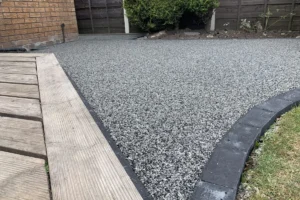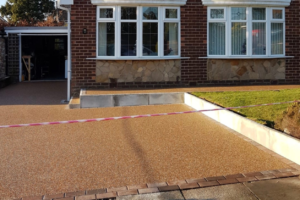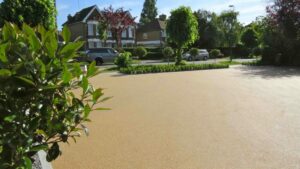
Because resin driveways are relatively new to the UK and promise a solid surface, beautiful natural stone finish and a long-lasting, sustainable finish, there are naturally a lot of questions surrounding what they are, what they are made of and how they work.
Its growing popularity has inspired many homeowners to enquire about it and ask about whether it is right for them.
However, there are some myths and misconceptions about resin drives that have formed, and whilst we are more than happy to answer any questions and separate fact from fiction, it would be unfortunate if a homeowner opted not to get a drive that is ideal for them because they believe something that is not true.
To help with this, we have compiled some of the most common questions and myths about resin drives and the truth behind the mythology.
Are Resin Driveways Sustainable?
It is becoming increasingly important, and sometimes legally required, for a driveway to be a sustainable drainage system (SuDS).
SuDS are permeable surfaces that drain water in the same way that topsoil or turf does. It soaks into the ground as it is either channelled away safely or is out of the way to easily evaporate.
Resin-bound driveways, the most popular and effective drive solution, are a sustainable drainage solution despite looking seamless.
The reason why some believe this is not the case is due to the most common uses of resin, which when used as part of epoxy crafting, is not permeable.
However, resin-bound driveways mix resin as an adhesive with natural stones, providing a porous surface that is very sustainable.
Are Resin Driveways Slippery?
Similarly, there is an assumption that the wet-look finish and resin material make it slippery underfoot, particularly in wet conditions.
Not only does water seep into the driveway rather than pool on the surface, but driveways are fitted with imperceptible anti-slip finishes, ensuring you maintain your grip and often providing better traction than many conventional driveway surfaces.
Are Resin Driveways Durable?
Another misconception that is primarily caused by its incredible aesthetics is that resin driveways are not long-lasting and struggle under heavy traffic.
In reality, most resin driveways are very thick to provide a strong enough surface for even heavy vehicles, and the nature of resin allows them to shift their weight more easily than stone flags or tarmac.
These driveways do not crack or break under normal use, and last for years as long as they are maintained through sweeping and gentle pressure washing.
Do Resin Driveways Get Discoloured?
Modern resin driveways are in no danger of getting discoloured, but the worry about discolouring resin comes from a characteristic of traditional epoxy resin.
Conventional resin solutions which are left out in the sun are potentially vulnerable to damage from UV rays, which can cause them to yellow and fade.
However, resin driveways use UV-stable materials designed to be used outside for many years, and will continue to look incredible for a very long time as long as they are minimally maintained.
Can You Lay A Resin Driveway On An Existing Surface?
You absolutely can lay resin on any structurally sound surface, which means that it can be used on top of your existing driveway and can save you money digging up and replacing a drive that is fit for purpose.