The shortest days of the year are upon us, but the coldest weather is likely to occur in January or February, when your driveway will be most likely to get covered in frost, ice or even snow and suffer damage as a result.
Because water expands as it gets colder, any small cracks and holes in your driveway that water can seep into will be widened when the water in them turns to ice.
This process, known as freeze-thaw, may be useful in nature for breaking open rocks and releasing mineral nutrients, but it is bad news for a driveway.
Consequently, a tarmac driveway may deteriorate significantly over winter, as might a paved one that has cracks of its own.
This means that if your driveway is looking past its best now, it isn’t going to get any better over the next couple of months and is likely to get worse.
Why are resin driveways good for winter weather?
Right now may be a very good time to start planning ahead. Lots of people will be starting to think of their new tear resolutions and if past years are anything to go by, the most common ones will be about personal finance, diet and fitness. Home improvements tend to come very low on the list.
However, you might be wise to be one of those who do prioritise home improvement when it comes to your driveway. If it is in poor shape now and is only going to deteriorate more over the course of the winter, it makes sense to have it re-laid in 2026.
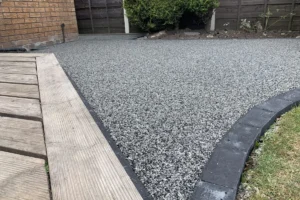
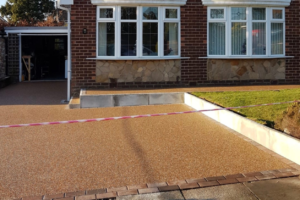
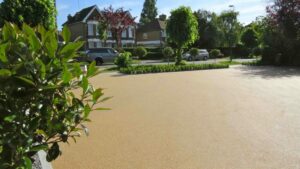
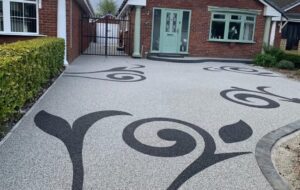
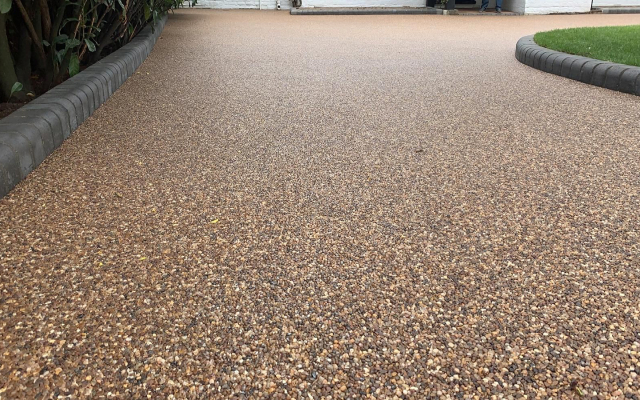
Resin driveways offer a great option for doing this, as they have a range of great qualities:
- They can bind the surface together while allowing water through, so it does not break up in freezing weather
- It is available in different designs, so you can choose a stylish look to suit your home
- They drain well, so you don’t get pools of water
- They offer a good grip, making them very suitable for sloping driveways
If you choose a resin driveway, the next question is exactly when you should lay it.
When Should You Have A Resin Driveway Laid?
A resin driveway can be laid at almost any time of year, given the right conditions. However, to set and cure properly, it needs to be dry and neither too hot nor too cold. These ‘Goldilocks’ conditions can occur in winter, but it is usually too cold and often too wet. Equally, while summer is drier, it can sometimes be too hot, with the resin curing too fast.
For optimal results, the best time tends to be a dry day in spring, when it is mildly warm. That means the best days for it are from March onwards.
To some, the idea of waiting until March might sound like the antithesis of a New Year’s resolution. However, deciding at the end of this year to make fixing the declining driveway a priority is the ideal start.
By contacting us in the New Year, you can book ahead, find a mutually convenient time, and plans can be made to get the job done.
By making this part of your plans for early 2026, you can also make a start on other areas of the outdoors from the first weeks of January, such as working on the garden. That way, a beautiful new driveway can be part of a bigger project, one that will bring results that last.