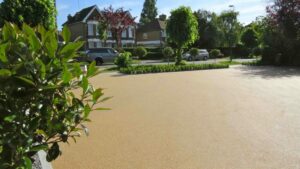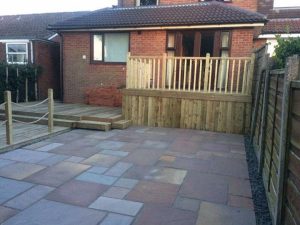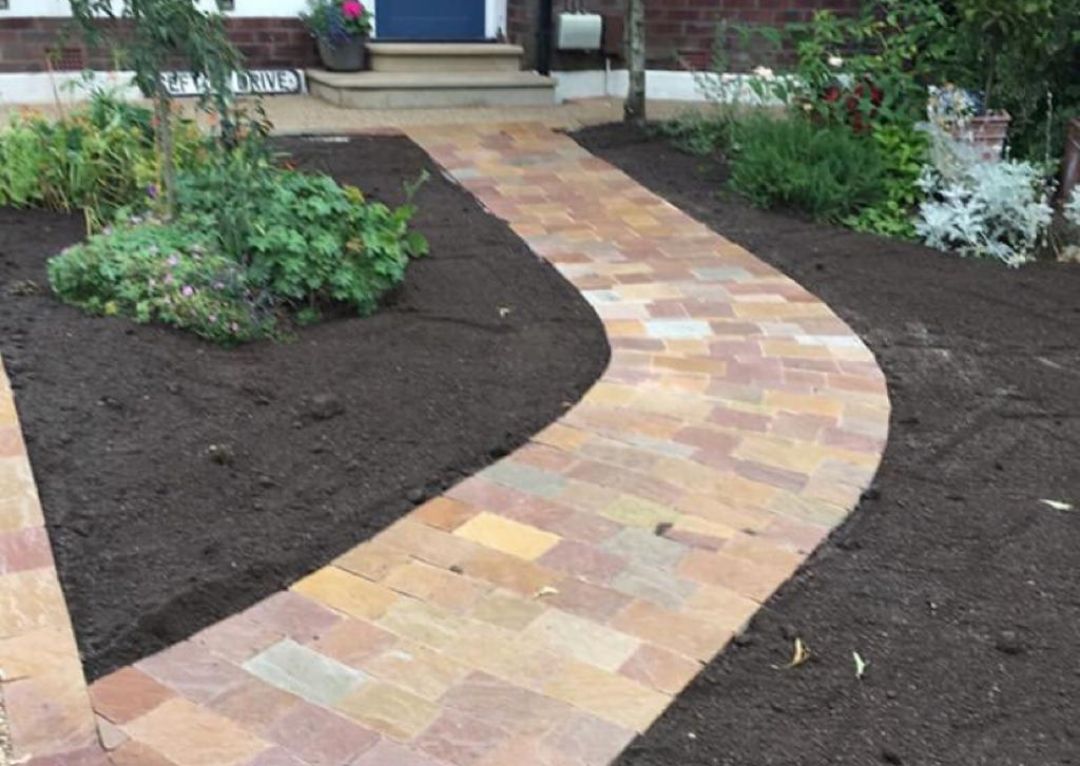
Sandstone is one of the most popular choices for homeowners looking to update their patios or driveways, thanks to its natural beauty, its affordable price tag, its durability, and its non-slip properties.
In particular, Indian sandstone has grown in popularity over the last few years. This is because it offers a lot of design choice as it comes in a variety of colours and patterns.
Additionally, it is well-known for its resistance to wet, cold and frosty weather, as well as heavy foot traffic. This makes it extremely long-lasting, meaning homeowners do not need to replace their Indian sandstone flooring for many years.
With the average cost of a new patio in the UK costing over £1,700, depending on the size and type of the space, it is no surprise that getting one that can last a long time is a priority for most homeowners.
One factor to consider when choosing garden paving or driveways is how easy it will be to clean and maintain.
Cleaning Indian sandstone
The best thing about Indian sandstone paving or driveways is that they are incredibly easy to clean. All you need is a soapy solution to remove any light stains.
Once the soap has been applied, scrub at the floor with a hard-bristled brush before rinsing away.
If you clean the paving regularly with soapy water, you should not have to use any stronger solution very often.
Removing stubborn stains
For deeper blemishes, you can use a diluted household bleach without damaging the flooring. This will remove stubborn moss, bird faeces, liquid spillages, black spots and algae.
However, it is important to have equal parts bleach and water, and not use undiluted bleach, as this could discolour the patio or drive.
The bleach solution should be left on the sandstone for 30 minutes maximum. The residue should then be rinsed away with a hose. It is important to protect the surrounding grass, garden furniture and plants to avoid any damage.
Do not use a cleaning product that is acidic, as this will cause a lot of damage to Indian sandstone.
Using a jet wash
It is safe to use a pressure washer on Indian sandstone, but it is important to be cautious when doing so. It is best to have a wide spray pattern instead of a powerful jet, as this could indent soft sandstone when on a high setting.
Instead, keep the pressure between low and medium to avoid damaging it, and let it dry naturally once the stains have been washed away.
Resealing Indian sandstone
As well as cleaning it every so often, homeowners need to make sure their Indian sandstone is properly sealed.
This is essential to prevent it getting stained from spillages, moss and dirt, as it is a highly porous material. It also prevents algae growth and frost damage, helping the paving last much longer.
When you get your sandstone fitted, it should be sealed within a few months to avoid any unwanted debris staining it.
It is also recommended to pre-seal the slabs if you are using cement or sand grouting, as these can stain the stone.
Once the floor has been laid and sealed, you need to stay on top of upkeep to ensure the sandstone looks good for as long as possible and remains protected. This involves getting it resealed every two to three years.
Before sealing, make sure it has been thoroughly cleaned first and any algae, moss or stains have been removed, so that they do not show up underneath the sealant.