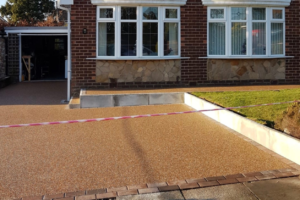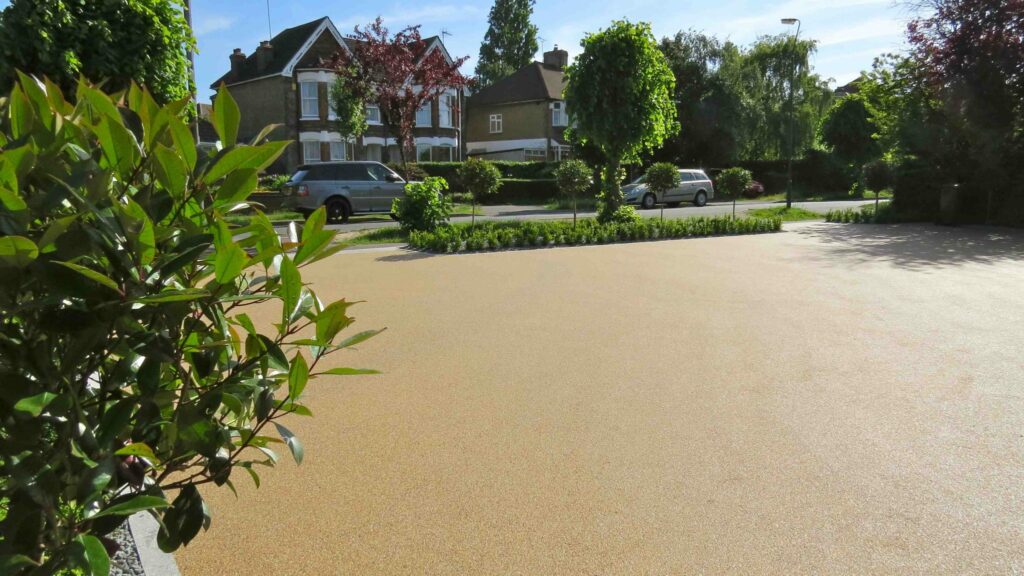
When done right, resin driveways are durable, long-lasting, hard-wearing, and a showpiece of a home. However, they need to be installed professionally so oversights are not missed.
Whilst an undoubtedly beautiful type of driveway, the best resin-bound driveways are installed by professionals who are experienced in working with the right kinds of polyurethane, the right kinds of aggregate and know the perfect mixes for a beautiful, enduring result.
Because they are still growing in popularity in the UK, attempting to mix a resin driveway yourself or working with people who understand other types of driveway could compromise its sustainable driveway status, lead to uneven results or even cause cracks and breakages.
To avoid this, here are the key oversights to avoid when laying a resin driveway.
Is Your Sub-Base Properly Prepared?
A resin-bound driveway is as strong, sustainable and durable as its sub-base. It holds the weight of your car, keeps the gravel surface even and ensures that water can freely flow and avoid pooling on top.
A resin driveway can be laid on top of existing drives, but a professional installer will see what groundwork needs to be done and stop any attempts to use loose rubble, uncompacted materials or already damaged surfaces as the base for the resin.
Getting the sub-base wrong harms the entire driveway, and it cannot be overlooked.
Have You Chosen The Right Aggregates?
A resin drive gives you a lot of options when it comes to aggregate, but you need to make sure that you use the right materials that work well with the right resin.
Choosing the wrong aggregate can create an uneven, loose result, wear on the surface and a total breakdown of the drive years quicker than it should.
A professional installer will choose the right aggregate and resin for a perfect, long-lasting finish, because they have the benefit of training and experience of what works and what does not.
Do You Have The Right Mixture Of Resin And Aggregate?
A common mistake that inexperienced installers make is struggling with the precise balance between resin and aggregate content, as getting it wrong can affect its longevity in two very distinctive ways:
- Too much resin causes the driveway to be overly smooth, which affects traction, causes it to have an abnormal glossy look and ultimately affects its overall lifespan.
- Too little resin causes the driveway to act too much like a conventional gravel driveway, with loose stones and a resin surface overly prone to cracking.
This is a problem that disappears with experience, as installers know the exact ratios to mix resin and aggregate in order to provide the right result.
Have You Given The Surface Enough Time To Cure?
Much like concrete, tarmac or most driveway surfaces, resin takes some time to cure, which causes it to harden, reach its final consistency and show you the colour of driveway you should expect going forward.
Depending on your drive and the weather conditions, it can take up to three days to cure your drive, with rain and humidity causing significant delays to how long it takes to cure.
Until then, do not park any cars on it and avoid walking on the surface if you can. A professional installer will let you know what to do and when it is best to start using the drive surface.